Mesh Office Chairs vs Leather Office Chairs for Office Use (Detailed Comparison)
Choosing between a mesh chair and a leather chair is not just about looks. It affects your back support, heat/ventilation, maintenance, and long-term comfort for 6–10 hours daily work. This blog breaks down everything in detail so you can pick the right chair for your office, work-from-home setup, and climate in India.
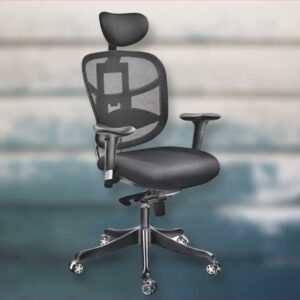
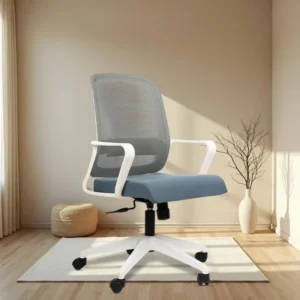
 Mesh Chair
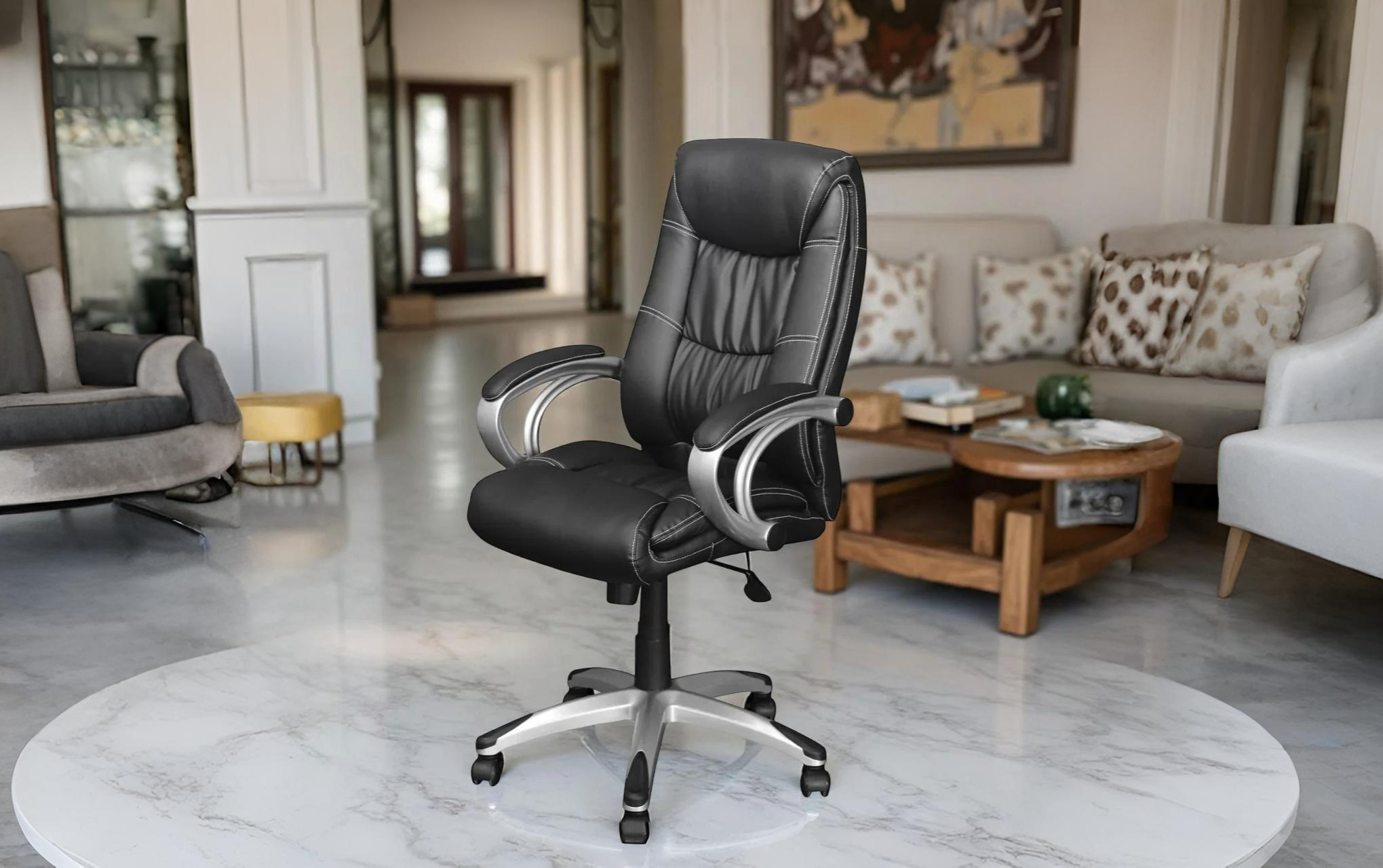 Leather Chair
Table of Contents
1) Quick Verdict (Mesh vs Leather)
If you want a quick answer before going deep — here’s the most practical choice based on real office usage.
Choose Leather if you want an executive cabin look, work in AC environments, prefer plush cushioning, and can maintain upholstery properly.
2) Mesh vs Leather Basics (What They Really Are)
Most buyers compare only the surface material. But a chair’s performance depends on the full structure: frame, mechanism, lumbar design, seat foam, and adjustability. Material changes comfort and heat, but structure decides posture and long-term support.
A mesh chair usually has a mesh backrest (sometimes mesh seat too). The mesh is tensioned over a frame, allowing airflow and gentle flexibility. Good mesh chairs often come with ergonomic features like lumbar support, recline tension, tilt lock, and adjustable armrests.
- Best strength: breathability + adaptive back feel
- Best for: long hours, warm rooms, WFH setups
A leather chair has leather/PU leather upholstery over foam padding, often with a premium look. Many are designed as executive chairs with thick seat, padded arms, and a tall back. But comfort depends heavily on whether the chair has real ergonomic support, not just softness.
- Best strength: premium aesthetics + plush feel
- Best for: AC cabins, executive rooms, formal offices
3) Comfort & Ergonomics (Back Support, Posture, Long Hours)
Office comfort is not “softness.” It’s support. Your spine needs a neutral posture where the lumbar curve is supported, shoulders relaxed, and pelvis stable. When chairs fail here, you get lower back pain, neck tension, and fatigue.
Mesh Chair Comfort
Mesh backs provide flexible support and distribute pressure evenly. Many users feel less “locked” in one posture, which helps during long sessions. If the lumbar zone is well designed (or adjustable), mesh chairs can reduce slouching.
Leather Chair Comfort
Leather chairs often feel plush at first, but if the foam is too soft or lumbar is not supportive, your pelvis rolls back and you start slouching. For long hours, leather chairs need a strong inner frame + structured lumbar to avoid fatigue.
Mesh — Comfort Strengths
- Better for long sitting due to airflow + light pressure distribution
- Backrest flex supports micro-movements (less stiffness)
- Often comes with ergonomic adjustments in modern models
- Less sweaty → less distraction → better focus
Leather — Comfort Challenges
- Can trap heat and feel sticky during long sessions
- Overly soft foam may reduce posture support over time
- Needs AC environment for best comfort
- If PU leather quality is low, surface may crack/peel
4) Heat & Breathability (Real Office Use in India)
In India, temperature and humidity change everything. Even in offices, AC may not be consistent everywhere. Breathability matters because heat buildup causes discomfort, sweating, and frequent posture shifts.
- Mesh: Air passes through → cooler back → less sweat → better long-hour comfort
- Leather: Holds heat → feels warmer → can feel sticky → more breaks needed
- WFH without AC: Mesh is usually safer for daily comfort
- AC cabin: Leather can be comfortable if ergonomics are strong
5) Durability & Lifespan (Mesh Sag vs Leather Peel)
Durability depends on quality. But the common failure points differ:
Mesh can last years if the mesh is high-tension and the frame is strong. Low-quality mesh may sag, reducing lumbar support. Also check the joints, recline mechanism, and armrest strength.
- Watch for: sagging mesh, weak frame joints
- Best sign: strong warranty on mechanism + frame
Genuine leather ages well if maintained. PU leather can crack/peel over time due to heat, friction, and sweat. Padding quality also matters: cheap foam flattens and becomes uncomfortable.
- Watch for: PU peeling, foam flattening
- Best sign: thick stitching + quality upholstery + warranty
6) Maintenance (Cleaning, Sweat, Dust, Daily Use)
Office chairs collect dust, sweat, and wear daily. Maintenance affects hygiene and looks.
| Maintenance Factor | Mesh | Leather |
|---|---|---|
| Cleaning | Vacuum + damp cloth, easy | Wipe regularly; avoid harsh cleaners |
| Sweat/Heat | Less sweat buildup | Can get sticky in humid conditions |
| Dust | Dust may collect in mesh weave (vacuum fixes) | Dust visible on surface; wipe needed |
| Long-term look | Stays modern if frame is solid | Genuine stays premium; PU can peel |
7) Aesthetics & Brand Perception (How It Looks in Office)
Many offices pick chairs based on appearance — reception cabins, board rooms, and leadership seating. Here’s a practical viewpoint:
- Leather: looks executive, premium, “CEO cabin” vibe
- Mesh: looks modern, tech-office style, ergonomic-first vibe
- Team seating: mesh fits large teams (breathable + easy)
- Visitor chairs: leather looks premium but may not be ideal for long sitting
8) Productivity Factors (Movement, Fatigue, Focus)
A chair impacts concentration. If you keep adjusting posture due to heat, pressure points, or poor support, your focus drops.
- Mesh encourages micro-movements and stays cooler → less fatigue
- Leather can feel cozy but may increase heat → more breaks
- Ergonomic adjustments reduce strain → longer productive hours
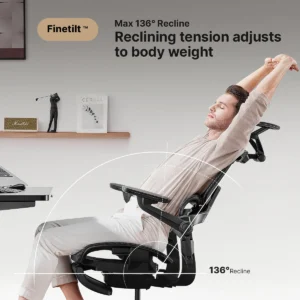
- Tilt + recline reduces spine load during long work sessions
9) Best Use Cases (Who Should Buy What?)
Choose based on your role, office environment, and daily sitting hours:
- WFH / freelancers (long hours, varied temps)
- Developers, designers (8–10 hrs sitting)
- Operations teams (daily continuous work)
- Warm rooms or inconsistent AC
- Executive cabins (formal appearance)
- Board rooms (premium seating look)
- AC offices with stable temperature
- Short-to-medium sitting with breaks
10) What to Check Before Buying (Spec Checklist)
Material is only 30% of the story. These are the specs that decide your comfort, posture, and durability:
- Lumbar support: fixed curve or adjustable (must support lower back)
- Tilt mechanism: tension control + lock positions (even 1–2 locks helps)
- Seat height: smooth gas lift, stable (no sinking)
- Seat depth: 2–3 fingers gap behind knees (prevents pressure)
- Armrests: height adjustable preferred (reduces shoulder/neck strain)
- Base & wheels: strong base + smooth casters (stability + movement)
- Foam density: firm supportive seat beats soft sinking foam
- Warranty: mechanism + gas lift coverage is most important
11) Mesh vs Leather — Side-by-Side Comparison Table
This table is the fastest way to decide based on office reality:
| Factor | Mesh Office Chair | Leather Office Chair |
|---|---|---|
| Breathability | ✅ Excellent airflow (cooler) | ⚠️ Low airflow (warmer) |
| Long-hour comfort | ✅ Usually better for 6–10 hours | Depends on foam + lumbar structure |
| Ergonomic feel | Adaptive back support, modern ergonomic | Plush feel, ergonomics vary widely |
| Back pain risk | Lower if lumbar + tilt are good | Higher if too soft + poor lumbar |
| Maintenance | Easy (vacuum + cloth) | Moderate (wipe + care; PU risk) |
| Durability issues | Low-quality mesh may sag | PU may crack/peel; foam may flatten |
| Office look | Modern, tech, ergonomic | Executive, premium, formal |
| Best use | Teams, WFH, long hours, hot rooms | Executive cabins, boardrooms, AC offices |
12) Myths & Common Mistakes
- Myth: “More cushion = more comfort” → Truth: soft foam can worsen posture over time
- Myth: “Leather is always premium” → Truth: PU leather can peel; quality matters
- Mistake: Buying without checking tilt mechanism and gas lift warranty
- Mistake: Wrong seat height and armrest height causes neck/shoulder pain
- Mistake: Ignoring climate (mesh matters a lot in warm places)
- Mistake: Choosing only by looks, not by lumbar design
13) Final Decision Checklist (Simple & Practical)
Answer these honestly. Your final choice becomes obvious:
- My room is warm often: choose Mesh
- I sit 6–10 hours daily: choose Mesh with lumbar + tilt
- I want executive premium look: choose Leather (prefer genuine / high quality)
- I work in AC cabin: leather can work if ergonomics are strong
- I hate maintenance: mesh is simpler long term
- Back pain already exists: prioritize lumbar + tilt + seat depth (often mesh ergonomic models)
14) FAQs
Which is better for long work hours: mesh vs leather?
For most people working 6–10 hours/day, mesh chairs are more comfortable because they stay cooler and usually support posture better when the lumbar and tilt mechanism are good.
Is leather chair good for back pain?
Leather can be fine only if the chair has structured lumbar support, stable tilt/recline, and firm seat foam. Soft executive chairs without proper lumbar can increase slouching and pain.
Do mesh chairs sag over time?
High-quality mesh stays tensioned for years, but low-quality mesh can sag. Check the frame strength and warranty on mechanism and backrest structure.
Is PU leather bad?
PU leather is not “bad,” but quality varies. Some PU surfaces peel or crack in heat/humidity. If you choose leather style, ensure good stitching, thicker upholstery, and proper care.
What matters more than material?
Lumbar support, tilt mechanism quality, seat depth/height, armrest adjustability, and warranty coverage matter more than mesh/leather alone.
Want to publish this as a premium blog?
Replace the two image URLs at the top with your own product images (recommended), and you’re ready to paste this into Elementor / WPBakery HTML block.